How Basketball Club Teams in San Diego Develop Leadership Skills
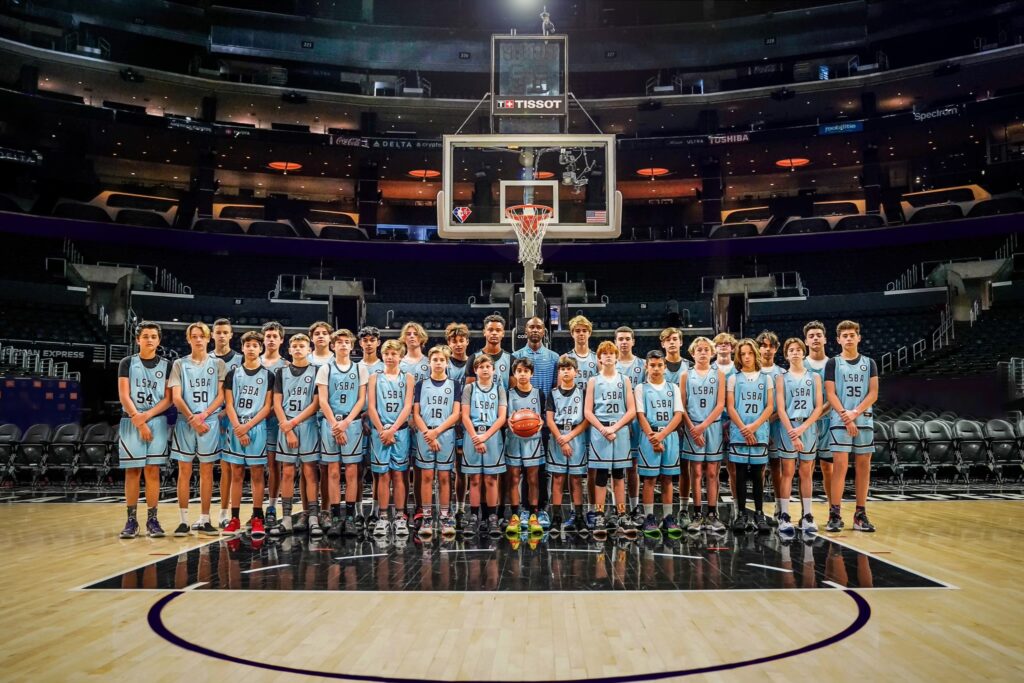
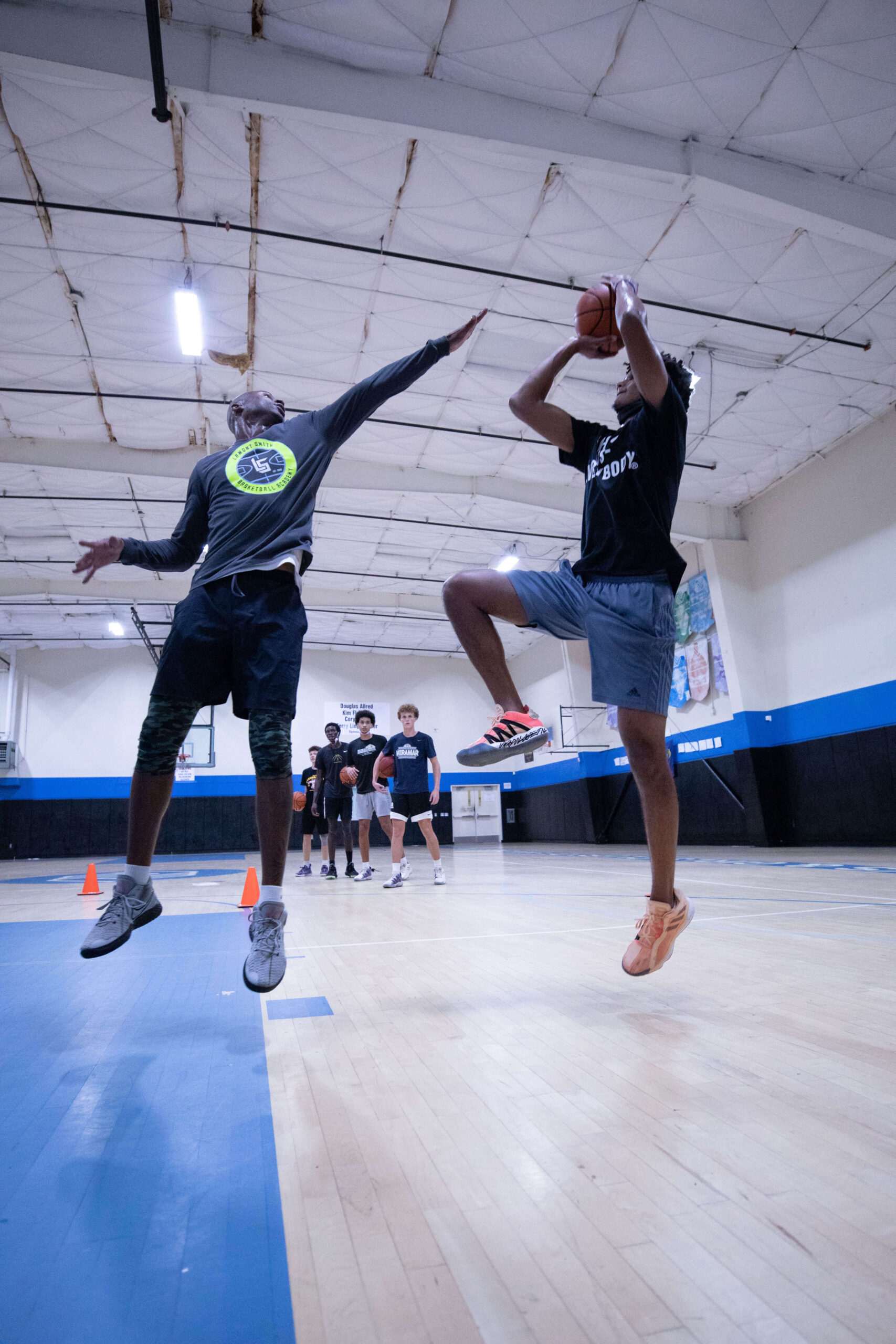
Leadership in youth sports rarely arrives through a speech. It usually shows up in smaller moments, the kind that happen in a loud gym on a Tuesday night when a player has to decide whether to point fingers after a defensive breakdown or gather her teammates for the next possession. Basketball, more than many sports, forces those moments into the open. The pace is quick, the communication is constant, and there is nowhere to hide when a group needs direction.
That is one reason Basketball Club Teams San Diego families often value the experience beyond wins and losses. The best programs are not simply teaching offensive sets, footwork, or shot selection. They are building habits that transfer into school, work, and life, habits like accountability, poise, decision-making, and service to a group. In strong club environments, leadership is not treated as a personality trait reserved for captains. It is trained, tested, corrected, and repeated until players begin to own it.
San Diego offers a particularly interesting setting for this kind of development. The area has a deep basketball culture, year-round training options, strong school programs, and a club scene that ranges from highly competitive travel teams to developmental programs focused on fundamentals. That variety matters because leadership growth does not happen in one narrow lane. It shows up in elite tournaments, but it also shows up in local league play, in carpools, in practice lineups, and in the discipline of showing up prepared when nobody is watching.
Leadership starts with role clarity
One of the most common mistakes adults make around youth basketball is assuming leadership means being vocal all the time. In reality, young players become better leaders when they understand their role first. A point guard who knows she is responsible for tempo, organization, and late-game communication can begin to lead with confidence. A post player who understands that rim protection and rebounding set the emotional tone for the team can influence games without dominating the ball. A reserve who recognizes the importance of energy, scout-team effort, and bench communication can become indispensable.
Good club coaches in San Diego spend time on this. They do not just hand out roles in August and revisit them in March. They teach players how roles evolve. A seventh grader may need to lead through effort and attentiveness. By tenth grade, that same athlete might be expected to guide younger teammates, communicate coverages, and help settle tense stretches in tournament play.
When players understand what the team needs from them, their leadership becomes less performative and more useful. They stop trying to mimic the loudest voice in the gym. Instead, they become dependable in specific ways. That is the beginning of real leadership.
Practice is where leadership is taught, not just revealed
Games get the attention, but practice is where club teams shape behavior. The best coaches structure practice so leadership is not an abstract message tacked onto the end of a session. It is built into drills, standards, and consequences.
A simple example is transition defense. In many gyms, a coach will stop play the moment nobody talks on the retreat. The correction is not only tactical. It is cultural. Silence becomes a leadership failure, not just a missed basketball detail. Over time, players learn that communication is part of taking responsibility for others.
The same is true in shell drill, press break work, or end-of-game situational reps. Coaches often put athletes in uncomfortable spots on purpose. A player may be asked to call the huddle, identify the defensive assignment, or explain the late-clock option to the group. At first, some players struggle. Their voice is too quiet, their instructions are unclear, or they panic when teammates ask questions. That discomfort is useful. Leadership training should feel a little awkward before it becomes natural.
In stronger Basketball Club Teams San Diego programs, coaches also know when to step back. If they solve every problem instantly, players never build ownership. The gym becomes coach-dependent. By contrast, when coaches allow athletes to sort out spacing issues, substitution communication, or small conflicts, they create room for leadership to develop in a lived way.
Team travel accelerates maturity
Club basketball brings players into settings that school sports sometimes do not. Weekend tournaments, shared itineraries, hotel stays, and long days with multiple games create pressure points that reveal character quickly. Fatigue tests attitude. Delays test patience. A bad first game tests emotional control before the second one tips off.
Those situations often speed up leadership development because players see that their behavior affects the whole group. If one athlete is late to a team meal, everybody feels it. If one player folds after a rough shooting night, the bench energy drops. If a veteran helps a younger teammate reset between games, the team often performs differently by evening.
This is not glamorous work. It can look as simple as making sure the team is on time, helping with gear, or choosing not to sulk after reduced minutes. Yet these are exactly the habits that carry into adulthood. Responsible teammates become responsible students, employees, and peers far more often than the opposite.
I have seen this most clearly with players who are not natural extroverts. On travel weekends, they often emerge as stabilizing forces because the environment rewards steadiness. They may not give fiery speeches, but they keep routines intact, encourage teammates quietly, and stay composed when the schedule gets messy. Coaches notice that. Teammates do too.
Accountability is easier to teach in a sport with nowhere to hide
Basketball exposes lapses immediately. Miss a closeout, and the whole gym sees the open three. Fail to box out, and the possession continues. Jog back in transition, and the scoreboard changes before anyone can look away. For leadership development, that visibility is an advantage.
In club settings, players learn that accountability is not punishment. It is clarity. Strong teams review mistakes honestly, often on film, and ask direct questions. What was the coverage? Who was responsible for weak-side help? Why did the offense stall in the last two minutes? Done well, this process teaches athletes to face uncomfortable facts without collapsing emotionally.
That distinction matters. Many young players hear correction as criticism of who they are. Effective coaches reframe it as information. Leaders on the team then help reinforce that standard. They model how to accept feedback, adjust, and move on. The result is a healthier competitive environment where accountability becomes normal rather than personal.
This is one place where parents often underestimate the value of club basketball. On well-run teams, players are learning how to be coached. That skill alone has long-term value. People who can receive feedback, separate ego from performance, and respond constructively tend to lead better in any setting.
Captains matter, but the deeper goal is shared leadership
Naming captains can help, especially with older teams. It gives the group visible points of responsibility. But the stronger model in youth basketball is shared leadership, where multiple players carry different parts of the team culture.
A coach may have one athlete who sets the standard for defensive communication, another who manages emotional temperature, and another who makes sure younger players are included. This reflects real life more accurately than the old idea that leadership belongs to one star player.
Shared leadership also protects teams from a common problem. If the best scorer is the only leader, the group becomes fragile. An injury, foul trouble, or one bad weekend can destabilize everything. When leadership is distributed, the team becomes more resilient.
In practical terms, clubs often grow shared leadership through habits like player-led warmups, small-group film breakdowns, peer mentoring across age levels, and post-practice responsibilities. None of that sounds flashy. All of it works.
The strongest programs let players practice hard conversations
Youth teams experience tension. Teammates compete for minutes. Parents become anxious. Players compare offers, rankings, and roles. Social media adds a layer of noise that did not exist for earlier generations. Under those conditions, leadership development requires more than enthusiasm. It requires communication skills.
The better clubs do not pretend conflict does not exist. They teach players how to address it. A teammate can be challenged for poor body language. A ball-dominant guard can be asked to trust the pass. A veteran can be reminded to include a new player. These moments are rarely comfortable, but they are essential.
What matters is the framework. Coaches who build healthy team cultures usually insist on direct, respectful communication. They discourage gossip and side conversations. They help athletes distinguish between a tough conversation and a personal attack. Over time, players gain confidence in saying what needs to be said without creating fractures.
That is a major leadership skill, and it extends far beyond sports. Adults who cannot handle direct communication struggle in workplaces, classrooms, and relationships. Club basketball gives young athletes repeated chances to build that muscle while stakes are real enough to matter, but manageable enough to learn from.
Leadership looks different at different ages
A fourth grader on a developmental club team is not being asked to lead in the same way as a varsity-level high school prospect. Good organizations understand that and build progressively.
For younger players, leadership often starts with basics. Carry your own bag. Listen the first time. Encourage a teammate after a turnover. Learn how to shake hands, make eye contact, and thank officials or tournament staff. These are not minor details. They are the foundation of self-management and respect.
By middle school, leadership usually expands into communication and composure. Players are expected to know team terminology, help organize drills, and stay engaged when they are not the focal point. This age is particularly important because confidence tends to fluctuate. Some athletes become louder without becoming more responsible. Others retreat when competition stiffens. Coaches have to sort out the difference.
At the high school level, the demands change again. Leadership becomes more strategic. Players may be expected to recognize matchups, identify momentum shifts, and advocate for what the team needs in real time. They also begin to represent the program externally, whether in recruiting settings, community events, or mentoring younger teams.
This progression is why the club environment can be so powerful. The repetition across years allows coaches to revisit the same leadership themes at a higher level each season.
What good coaches in San Diego tend to emphasize
The San Diego basketball scene includes different styles and philosophies, but the strongest developmental coaches tend to return to a similar set of leadership priorities. They may phrase them differently, but the substance is consistent:
- Consistency over emotion, because leaders are most useful when their habits survive both wins and losses.
- Communication under pressure, especially when the game gets loud, physical, or chaotic.
- Ownership of mistakes, without excuses, deflection, or blame.
- Service to teammates, including bench energy, mentoring, and unselfish play.
- Poise, because panic spreads quickly in basketball and calm does too.
None of these traits can be installed in one season. They https://privatebin.net/?ffb792befb393be0#Cr67F1baBci4tvLXFSYhaDLoxpzAFQyaFkoqd7cL8cwg require repetition, setbacks, and reinforcement from adults who mean what they say.
The parent factor is impossible to ignore
Any honest discussion of youth sports leadership has to include parents. Club coaches can do excellent work in the gym, but progress stalls if the car ride home undermines every lesson. When parents rescue athletes from every uncomfortable moment, explain away every coaching decision, or frame teammates as competition first and community second, leadership growth narrows.
The most helpful parents usually do something deceptively hard. They give support without taking over. They let players own relationships with coaches. They ask better questions after games. Not, “How many points did you score?” but, “How did you respond when things got tough?” or, “What did your team need from you tonight?”
That shift matters because leadership is tied to identity. Young athletes often mirror the values that get rewarded at home. If the only metric is playing time, they learn to center themselves. If the focus includes preparation, resilience, and contribution, they become more team-minded.
San Diego families who choose club basketball for long-term development usually understand this balance. They want competition, certainly, but they also recognize that the better return on investment is not just exposure or trophies. It is maturity.
Community service and mentoring create another layer
Some club organizations deepen leadership development by moving it outside the lines. Older players may help with youth clinics, partner with local schools, or assist younger teams during training sessions. These experiences matter because they force athletes to translate what they know into something they can give away.
Teaching a third grader how to pivot, defend without reaching, or keep confidence after a missed layup sounds simple. It is not. It requires patience, empathy, and communication. Those are core leadership skills. Players who mentor younger athletes often become more reflective about their own behavior too. They realize quickly that younger kids copy everything, from effort level to body language.
This kind of service also grounds the club experience. Basketball can become insular if everything revolves around rankings, travel, and recruiting chatter. Community involvement reminds players that the game is part of a larger ecosystem and that leadership carries a responsibility beyond personal advancement.
Not every competitive environment builds leaders equally
It is worth being honest here. Some club programs talk about leadership but reward the opposite. If a team tolerates poor sportsmanship from top scorers, excuses selfish play because the athlete is talented, or uses fear as the primary motivational tool, leadership development will be shallow. Players may become competitive, but not necessarily trustworthy or mature.
That is why families evaluating Basketball Club Teams San Diego should look beyond branding. Watch a full practice if possible. Notice how coaches correct mistakes. Notice whether players communicate with one another or only wait for adult direction. Watch the bench during adversity. See how the team handles officials, missed shots, and uneven minutes. Leadership culture is visible if you know where to look.
A program does not need to be perfect to be effective. In fact, imperfect seasons often teach the most. A team that loses close games, navigates injuries, or adjusts to a difficult roster mix may end up developing stronger leaders than a more talented team that never faces resistance. The key is whether the adults in charge use adversity as a teaching environment rather than a source of blame.
How leadership shows up years later
One of the best ways to judge whether club basketball develops leadership is to look at former players after they leave the program. The signs are usually practical. They manage time well. They communicate comfortably with adults. They handle feedback without spiraling. They know how to prepare for a demanding week. They work within a group without disappearing inside it.
Former club athletes often describe their growth in surprisingly ordinary terms. They learned to speak up. They learned not to wait for someone else to fix confusion. They learned how to recover after embarrassment. They learned that being reliable is a skill. Those lessons do not always feel dramatic when they are being learned, but they age well.
Basketball gives those habits a memorable frame because the feedback is immediate. You can see leadership fail on one possession and recover on the next. Few settings offer that kind of condensed learning. That is part of the reason club basketball, when done well, has such lasting influence.
Choosing the right environment for leadership growth
Families searching for a club team often start with obvious questions about cost, schedule, tournaments, and coaching resumes. Those matter. But if leadership development is part of the goal, it helps to ask a more pointed set of questions.
- How does the coach define leadership for players who are not stars?
- What happens when athletes make repeated mistakes, tactically or behaviorally?
- Are players given chances to communicate, solve problems, and hold standards themselves?
- How are younger or quieter athletes brought into the team culture?
- What values seem to be rewarded most consistently in practice and on the bench?
The answers reveal a lot. Teams that truly develop leaders tend to have clear standards, patient teaching, and a culture that values contribution as much as talent.
For many athletes in San Diego, club basketball becomes one of the first serious environments where they are expected to carry themselves with discipline, speak with purpose, and act for the good of a group. That is leadership in its most useful form. It is not theatrical. It is dependable. It is earned through repetition. And when the environment is right, it lasts far beyond the final buzzer.
Lamont Smith Basketball Academy
888 Clairemont Mesa Blvd Suite T-2, San Diego, CA 92123
(619) 639-8778
FAQ About Basketball Club Teams San Diego
How can a player join an LSBA club team?
Players are evaluated during practices so the coaching staff can recommend an appropriate team and development level. Families should contact the academy to confirm current openings and evaluation details.
Are club teams available for newer basketball players?
Yes. LSBA describes multiple levels, including a developmental option for newer players as well as more competitive teams for athletes with prior club experience.
What do LSBA club team practices emphasize?
Practices emphasize basketball fundamentals, team defense, structure, communication, and player development. The specific focus may vary according to the team and experience level.
Do all LSBA teams travel?
Travel expectations vary by level. Some teams focus on local competition, while advanced teams may participate in tournaments elsewhere in Southern California or beyond. Families should confirm the current schedule before enrolling.